
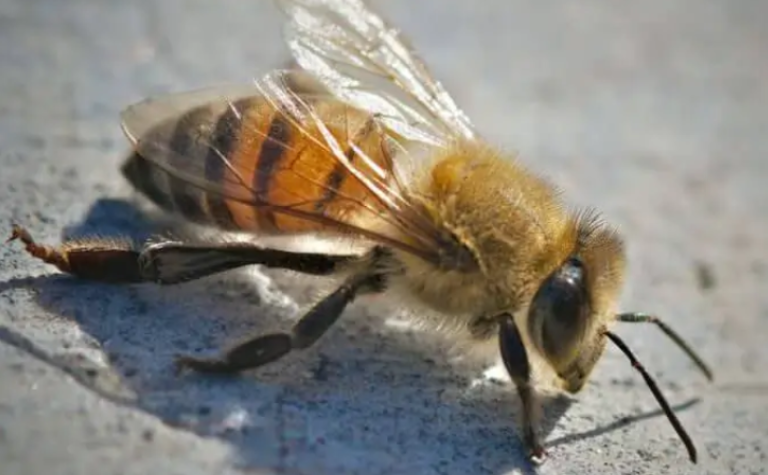
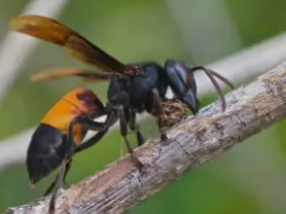
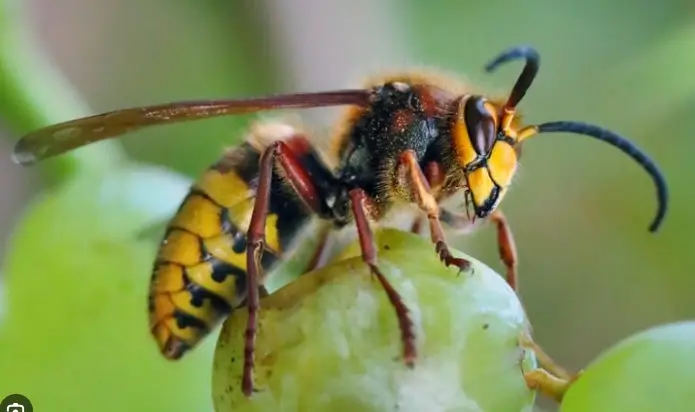
 Feature Feature |
 Bees Bees |
 Wasps Wasps |
 Hornets Hornets |
|---|---|---|---|
| Family | Apidae (honeybees, bumblebees) | Vespidae (most social wasps) | Vespidae (subset of wasps) |
| Body Shape | Fuzzy, round, hairy | Smooth, slender, narrow waist | Larger, more robust than other wasps |
| Color | Golden yellow with black stripes | Bright yellow and black | Black and white or brown/yellow |
| Diet | Nectar and pollen (herbivores) | Insects, nectar (omnivores) | Insects, nectar (omnivores) |
| Aggressiveness | Generally docile | Can be aggressive | Very aggressive if provoked |
| Sting | Stings once (dies afterward) | Can sting multiple times | Can sting multiple times |
| Nesting | Wax hives (in cavities) | Papery nests (trees, eaves) | Large papery nests (trees, attics) |
| Social Structure | Social (queens, workers, drones) | Mostly social (some solitary) | Always social |
| Role in nature | Pollinator | Predator & occasional pollinator |
Predator |
| Sting pain | Mild (one-time sting) | Moderate to severe (repeat sting) |
Severe (repeat sting) |
| Danger to humans | Low unless provoked | Moderate risk near nests |
High risk when disturbed |